
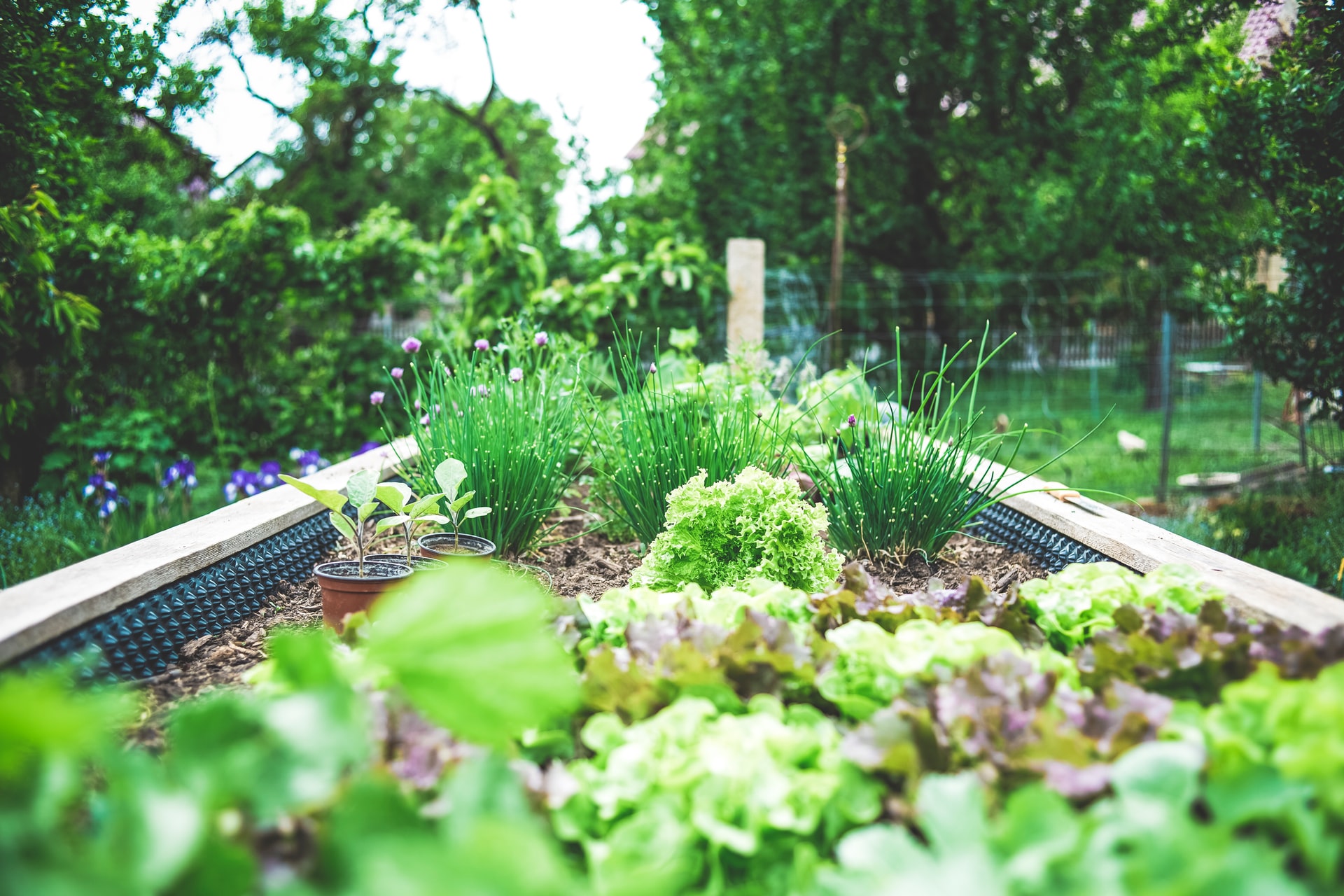
Building a raised bed garden can be an empowering project, especially for those who want to cultivate food and skills for an uncertain future. A garden above ground not only saves your back during planting and harvesting but also offers better drainage and control over soil quality. With a little planning, you can create a resilient oasis that withstands the test of time and potential challenges. Let’s dig into the details of crafting a raised bed garden that can thrive no matter what.
Cultivating Resilience: Crafting Your Sturdy Raised Bed Garden
Choosing the right materials is key. You want your raised bed to be durable and safe. Cedar, for example, is rot-resistant and can last for years. If cedar is out of your budget, consider using recycled materials, such as pallets or concrete blocks. Just keep in mind any potential chemical treatments that could leach into the soil. When in doubt, opt for untreated wood or stone.
Next, consider the design of your raised bed. A simple rectangle is effective, but don’t shy away from creativity. A circular bed can be visually appealing, and a tiered design can maximize space. Aim for a height of at least 12 inches for good root growth. If you want extra stability, reinforce the corners with metal brackets. This added support ensures your bed can handle heavy rains or strong winds.
Lastly, think about your location. Sunlight is vital for plant growth, so pick a spot that gets at least six hours of direct sunlight daily. Avoid placing your bed under trees where roots might compete for nutrients. Level the ground if needed, and ensure good drainage to prevent water from pooling around the base. The right foundation is crucial for your garden’s long-term success.
Flourish Above Ground: Tips for a Lasting Garden Oasis
Now that you have a sturdy raised bed, it’s time to fill it. Start with high-quality soil. A mix of compost, topsoil, and peat moss can create a nutrient-rich environment. This blend encourages strong root development and healthy plants. Don’t forget to add organic fertilizers periodically. They can provide the extra boost your plants need to flourish.
Consider implementing companion planting. Certain plants can benefit from growing together. For example, basil can enhance the flavor of tomatoes while repelling pests. Carrots and onions also pair well. By strategically placing plants, you can create a harmonious ecosystem that supports each other. This method reduces the need for chemical pesticides and encourages a thriving garden.
Another key to a resilient raised bed garden is water management. Install a drip irrigation system or soaker hoses to conserve water. This method ensures that plants receive consistent moisture without overwatering. Mulching is equally important. A layer of organic material on top of the soil helps retain moisture and suppress weeds. With mindful care, your raised bed garden will not just survive; it will thrive.
Creating a raised bed garden is like planting seeds of independence. It’s a joyful way to prepare for the future while enjoying the process of growth. With sturdy construction, smart companion planting, and effective water management, your garden can become a sustainable source of nourishment. So roll up your sleeves, grab your tools, and start building your resilient oasis today!